
Voted Minnesota's
#1 Moving Company

Moving With Pets: A Local Mover’s Guide to a Calmer Moving Day
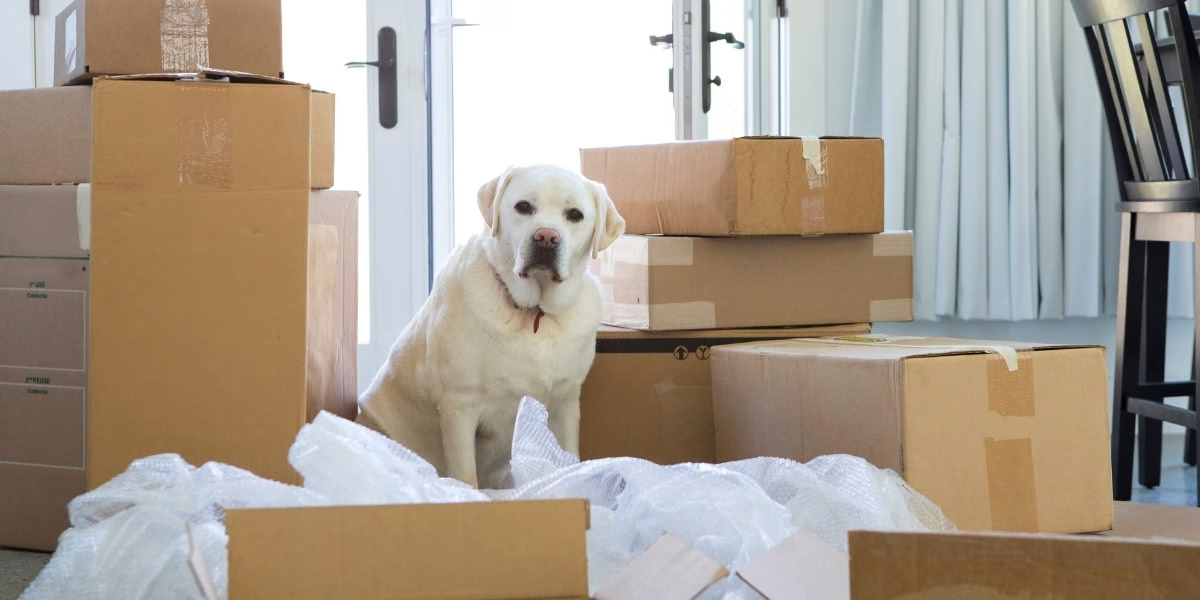
Moving with pets is a regular part of a Twin Cities moving company’s week, not an exception. In fact, roughly half of the moves we do involve a home with a dog, cat, or another pet somewhere inside it.
Most of the online advice about moving with pets deals specifically with long-distance moves. That’s not what moving with pets looks like for a Twin Cities household moving across town or into a new apartment. The move happens in a matter of hours, movers are in and out of the house all day, and your pet needs somewhere safe to be for that entire stretch, not for a week on the road.
At College Muscle Movers, we’ve learned a few things about what actually helps keep pets and movers happy, and what can go wrong without the proper planning.
Local Moving With Pets: The Short Version
Moving with pets locally comes with its own considerations, different from the cross-country advice most guides assume. A few things make the biggest difference:
- Update microchip registration and ID tags before moving day, not after, in case your pet slips out during a busy loading process.
- Decide where your pet will actually be during the move, a secured room at home, a friend’s house, or daycare, before movers arrive, not the morning of.
- Tell your moving company if pets are in the home. It helps them plan around allergies and avoid surprises.
- Keep pets away from doors and hallways while furniture is being carried in and out. This is when most pet-related incidents happen.
- Never leave a pet alone in a parked car while movers work. Minnesota summers and winters both turn a parked car dangerous fast, just in opposite directions.
- Set up one familiar room first at the new place, food, water, bedding, so your pet has a landing spot instead of the whole unfamiliar house at once.
The sections below cover each of these in more detail, plus a couple of real moments from our own crews.
Why Moving With Pets Locally Looks Different Than a Long-Distance Move
Nearly everything written about moving with pets is written for a family driving a loaded car across several states, or flying with a pet in cargo. That’s a real scenario for some people, but it isn’t the one most Twin Cities households are dealing with.
A local move usually happens in one day, sometimes half a day. There’s no week of travel to plan for, no hotel stops, no in-cabin flight rules to research. Instead, a local move involves several hours of strangers walking through your home, doors propped open, furniture moving down hallways, and a pet somewhere in the middle of it who has no idea what’s going on.
Before Moving Day: How to Prepare for Your Move With Pets
A few things done in the days before your move make the day itself go more smoothly.
Update microchip and ID information. If your pet is microchipped, confirm the registration has your current contact information, and update it again once you have your new address. According to the American Animal Hospital Association, microchipped dogs that go missing are reunited with their owners more than twice as often as dogs without one (source). A collar tag with a working phone number matters just as much on moving day specifically, since it’s the fastest way for a stranger to reach you if your pet gets out.
Keep your pet’s routine as normal as possible. Feeding times, walks, and play should stay consistent right up until moving day. The move itself is disruptive enough without also changing a pet’s daily rhythm in the days leading up to it.
Make a concrete plan about where your pet will be during the move. The next section covers the options in more detail. For everything else worth doing in the weeks before your move, our full moving checklist covers the rest of the timeline.
Where Your Pet Should Actually Be on Moving Day
There’s no single right answer here. It depends on your pet and your move, but a few options come up most often.
A secured room at home. A bedroom or bathroom with the door closed, away from the front entrance and main hallway, works well for pets who are comfortable at home and don’t get overly anxious around noise. Put a sign on the door so movers know not to open it.
A friend’s house or daycare. For pets who get stressed by strangers or loud noises, spending moving day somewhere else entirely often works better than trying to manage them on-site. This also removes any chance of an accidental escape during the busiest hours of the move.
In a crate, staged out of the way. Some owners prefer to crate their pet in a room that’s not part of the moving path. One of the pet notes in our own scheduling records simply reads “will be in crate during service,” a common and reasonable approach for pets who already do well in a crate.
Whatever you choose, the goal is to keep your pet away from the areas where movers are actively working, and make sure everyone, including the movers, knows where that is.
What We See With Pets in the House on Moving Day
We ask about pets during the intake process for every move, partly for planning, and partly because some of our movers have allergies we need to schedule around. It’s worth answering honestly, even if your pet seems easygoing. That question exists for a reason.
One move stands out. We were padding and wrapping a couch that had a small hole in the upholstery. As we started carrying it out of the house, we heard meowing, muffled, coming from inside the wrapped couch. The homeowner’s cat had crawled into the upholstery through the hole before we’d wrapped it. We caught it in time. Since it was a short local move, the cat likely would have been fine until the couch was unwrapped a few hours later, but it was a close call, and clearly stressful for everyone in the room, cat included.
That story teaches the same lesson as the intake question. Movers can only work around what they know about. A secured room, a labeled door, or a heads-up about a hole in the couch upholstery all come down to the same thing: giving your crew the information they need to keep your pet safe without having to guess. It’s part of how we approach every local move, pets included.
Keeping Pets Safe During Loading
The highest-risk moments for pets during a move are also the busiest ones for your crew: the front door propped open for a long stretch while furniture goes in and out, multiple people moving in different directions, boxes and dollies taking up space in hallways your pet normally has free run of.
Doors stay open longer than you’d expect. During active loading, the front door, and sometimes a back door too, may be propped open for long stretches at a time. A pet that’s usually fine being loose in the house can slip out during this window without anyone noticing right away.
Never leave a pet in a parked car while movers work. This matters especially in Minnesota, where summer heat and winter cold both turn a parked car into a dangerous environment within a short amount of time, just in opposite directions. If you need your pet with you during the move rather than in a secured room, keep them inside on a leash or in a carrier, not waiting in the vehicle.
Let the crew know if your pet somehow ends up loose. If a pet gets out of a secured room during the move, telling your crew immediately means everyone can stop and help rather than working around a moving target.
Settling Your Pet Into Your New Home After the Move
Long-distance moves usually give a pet a few days of travel before arriving somewhere new. A local move often means your pet goes from a familiar, if chaotic, home directly into an entirely new one on the same afternoon. That’s a fast transition, and a few small things make it easier.
Set up one room first, with food, water, a bed, and something that smells familiar, before you worry about the rest of the house. Giving your pet one settled space to retreat to matters more in the first few hours than having everything unpacked.
Keep a close eye on doors and windows for the first day or two. A new home has new exits your pet doesn’t know are off-limits yet, and a stressed pet in an unfamiliar space is more likely to bolt if given the chance.
If you’re moving into an apartment specifically, our guide to moving into an apartment in Minneapolis or St. Paul covers the building logistics, like elevators and shared hallways, worth knowing about before your pet is navigating them too.
FAQs About Moving With Pets
Should I tell my moving company if I have pets?
Yes. It helps them plan around any crew allergies and know to expect a pet in the home, which matters most during active loading when doors are open for long stretches.
What should I do with my pet during a local move?
Keep it in a secured room away from the main hallway and entrance, a friend’s house, or daycare, depending on how your pet handles noise and strangers. The main goal is keeping them away from the areas where movers are actively working.
Is it safe to leave my pet in the car while movers work?
No. A parked car can become dangerously hot or cold within a short window, especially in Minnesota, regardless of the season. If your pet needs to be with you rather than in a secured space, keep them inside on a leash or in a carrier.
Should I update my pet's microchip before I move?
Yes, and it’s worth doing twice, once before the move to confirm current information, and again after with your new address. Microchipped pets are reunited with their owners at a much higher rate than pets without one.
How common is it for movers to work in homes with pets?
Very common. In our own recent move records, just over half involved a home with at least one dog, cat, or other pet.
How do I help my pet settle in on moving day?
Set up one room first, with food, water, bedding, and something familiar-smelling, so your pet has a landing spot right away. Keep a close watch on doors and windows for the first day or two while they’re still learning the new space.
A Calmer Move, For Everyone in the House
Ready to book your move? Get a free quote from College Muscle Movers, and let your crew know about your pets when you do. We’ll plan around them.
About the Author

Morgan Alexander
Moving Specialist